

Ever poured your budget into ads, SEO, content, and still... crickets? No sign-ups. No sales. No traction. It's not your product, it's your process.
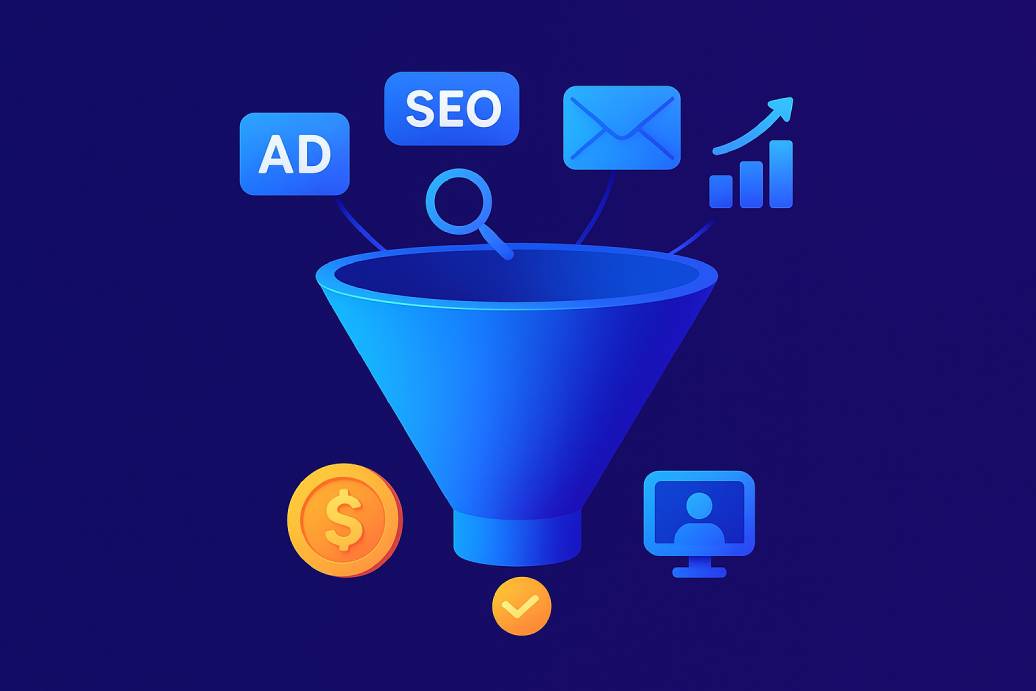
The truth is, most brands do the hard part getting attention—but forget the even harder part: guiding users toward action.
Welcome to the world of digital marketing funnels your behind-the-scenes system that turns cold traffic into loyal customers, one meaningful touchpoint at a time.
Table of Contents
Let’s break it down and help you design a funnel that doesn’t just look good on a whiteboard, but actually converts in the real world.
What is a Digital Marketing Funnel? Definition & Examples
Imagine you’re at a party. You wouldn’t walk up to someone and blurt, “Hey, want to buy from me?” You’d start with a casual conversation, get to know them, and if the vibe is right maybe suggest coffee later.
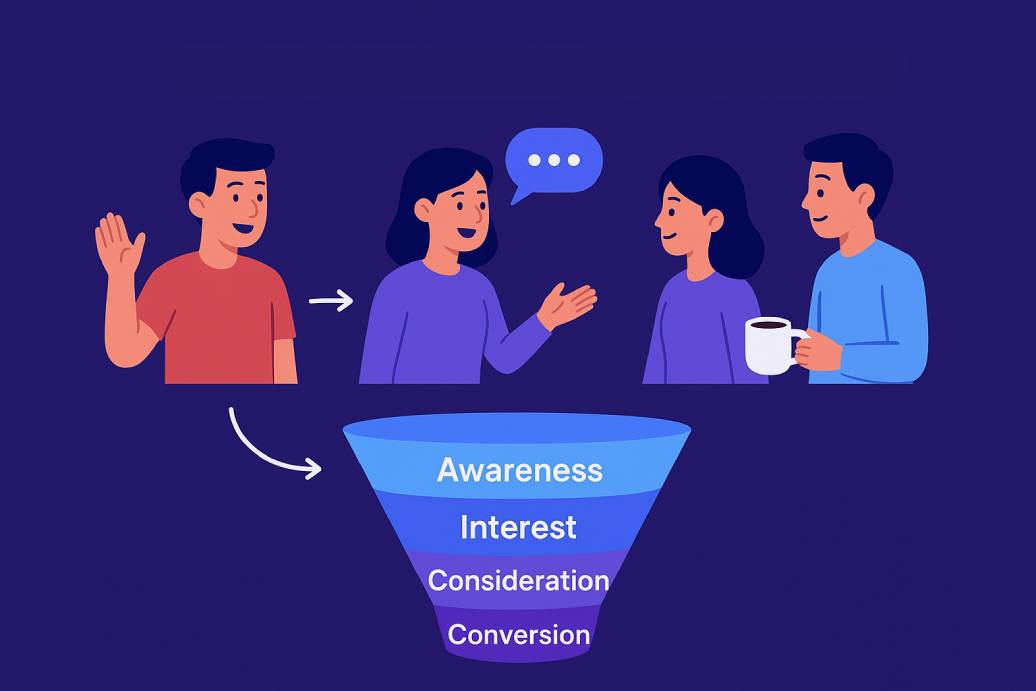
That’s exactly what a digital marketing funnel does. It’s a journey, not a sales pitch.
Think of it as a roadmap that guides your potential customer from "just browsing" to "take my money" through helpful content, value-driven interactions, and relevant nudges. And the best part? Once set up, it works silently in the background, building relationships on autopilot.
Still unsure? Here’s a simplified real-life analogy:
- Top of funnel is when someone sees your brand for the first time like passing your store.
- Middle of funnel is when they stop, browse, ask questions.
- Bottom of funnel is when they decide to walk in and buy.
Without a funnel, you’re basically hoping strangers walk in and buy without knowing you. Not exactly a winning strategy.
The 4 Stages of a Digital Marketing Funnel with Examples & Best Practices
Now let’s decode the stages of the heart of any solid funnel. You’ve probably heard terms like TOFU, MOFU, BOFU… sounds like startup soup, right?
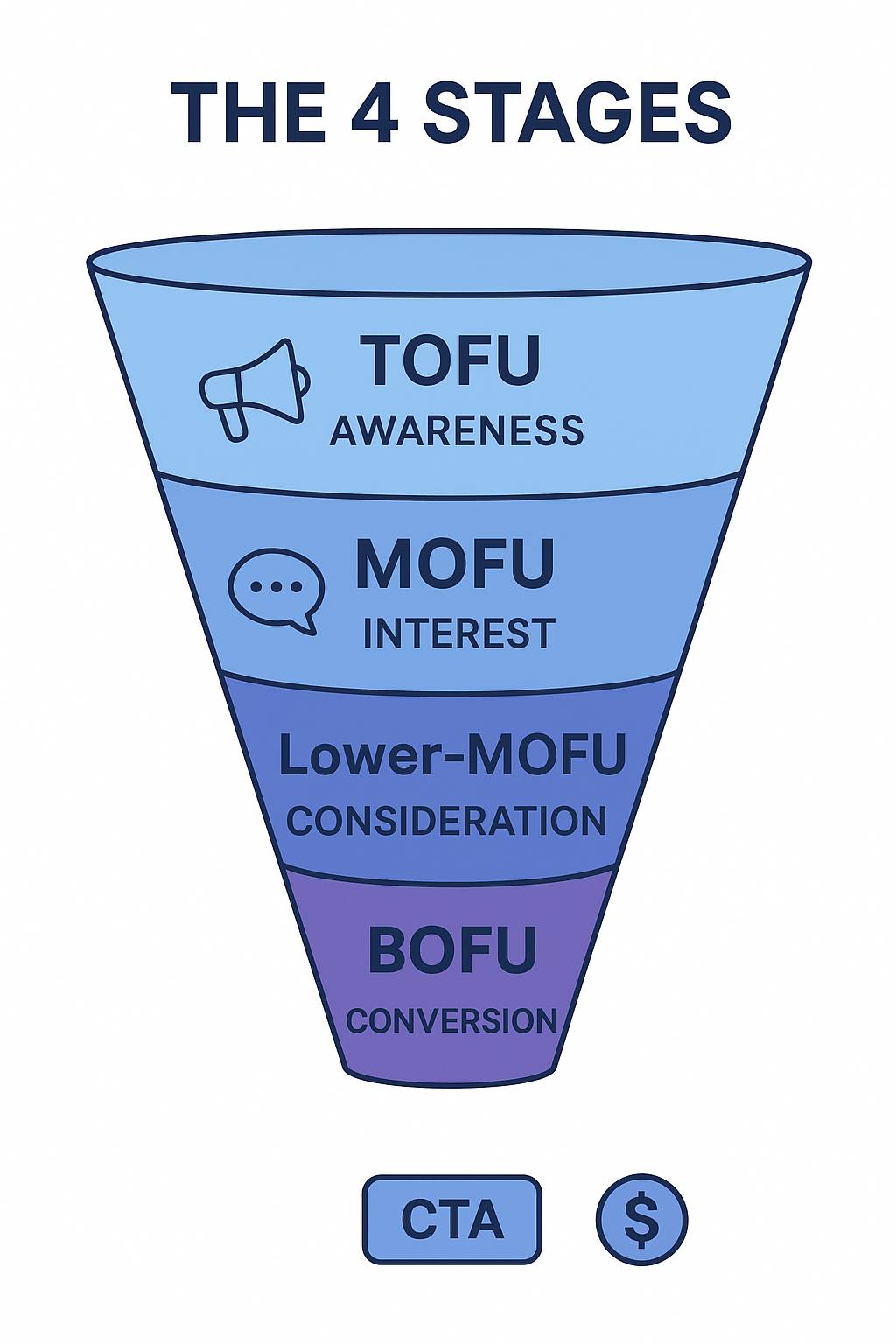
Here’s what it really means:
1. Awareness — Top of Funnel (TOFU)
You’re a stranger in their world. Time to say hello.
Use content like SEO blogs, YouTube videos, Instagram reels, or even memes. Your goal? Stop the scroll.
Example: A brand manager Googles “best tools for content marketing” and lands on your well-optimized blog.
2. Interest — Middle of Funnel (MOFU)
Now they know you. Keep the conversation going.
Offer lead magnets, webinars, newsletters, or how-to guides that deepen the connection.
Example: They download your “Content Strategy Template” and start receiving helpful emails.
3. Consideration — Lower Middle Funnel
They’re comparing you with competitors. Time to flex.
Use testimonials, explainer videos, pricing comparisons, and case studies.
Example: Your email campaign shows how you helped a startup 3x its conversions in 90 days.
4. Conversion — Bottom of Funnel (BOFU)
The moment of truth. They’re ready. Just don’t mess it up.
Ensure your CTAs are clear, landing pages are fast, and forms are easy.
Example: They schedule a discovery call via your landing page and get a warm, no-pressure intro from your team.
Each of these digital marketing funnel stages has its own job. Think of it like dating you don’t propose on the first date (unless it’s Bollywood).
How to Create a Digital Marketing Funnel for Your Audience
Let’s bust a myth: Funnels aren't cookie-cutter. A funnel that works for an eCommerce brand might flop for a B2B SaaS startup.
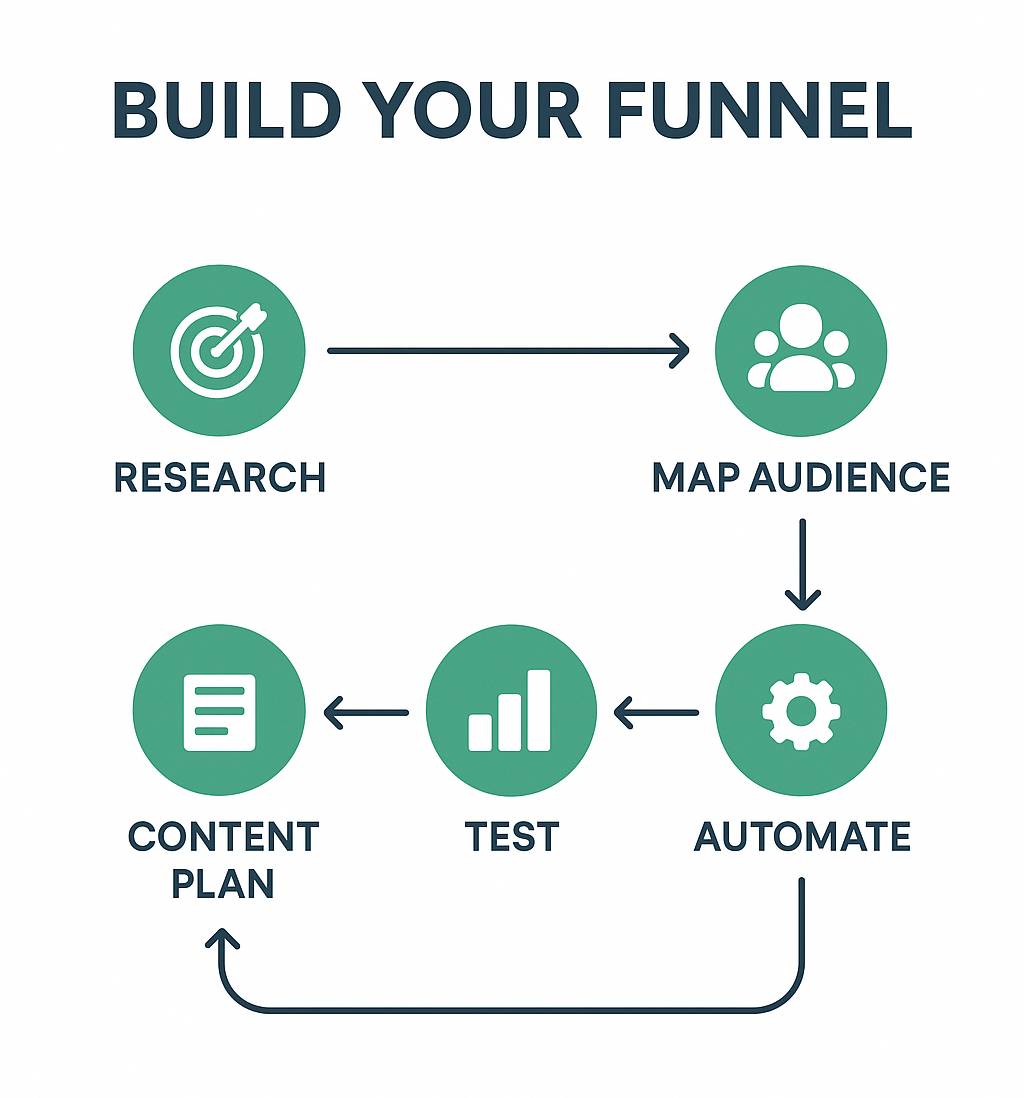
To build a funnel that works, ask:
- Where does my audience hang out online?
- What content formats do they trust?
- What makes them hesitate before buying?
For example, a busy marketing manager might not read a long-form eBook but might happily consume a punchy carousel on LinkedIn or a short case study with bullet-pointed outcomes.
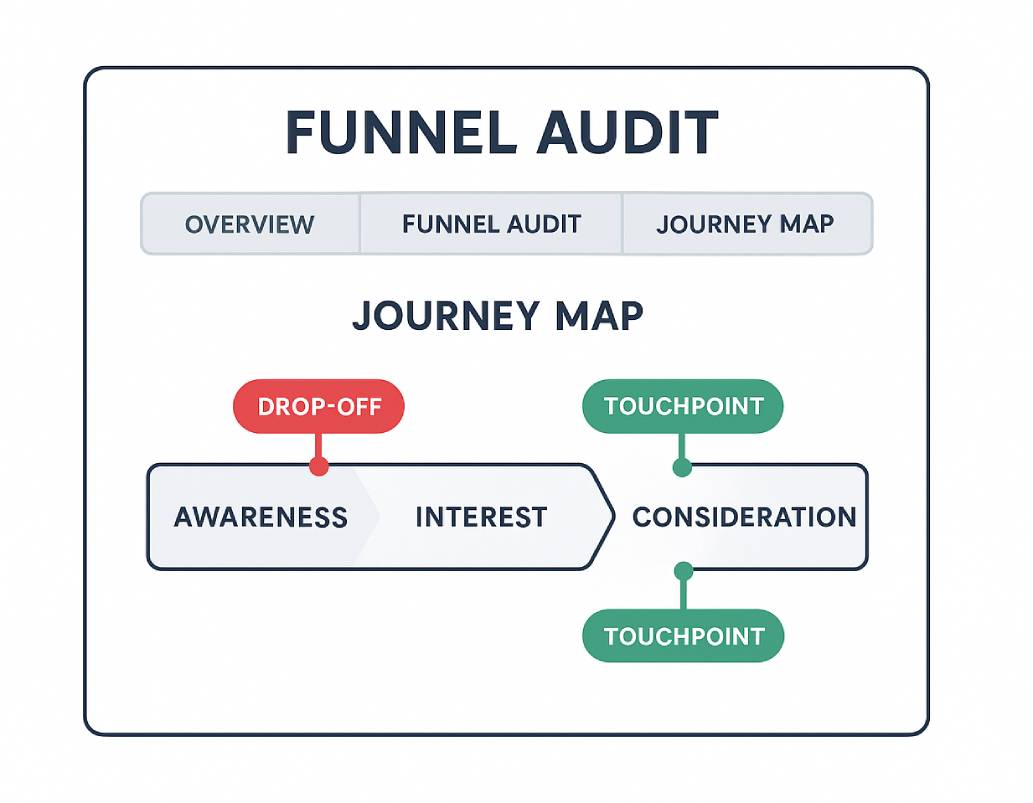
At DO Communication, we start with a Funnel Audit. We map the entire customer journey from first click to closed deal and identify bottlenecks (the pages where most users bounce). Then, we design content that meets the user exactly where they are, be it inspiration, education, or decision-making.
Pro Tip: Start small. Build your funnel manually, test it, learn from behavior… then automate.
Funnel Optimization That Actually Moves the Needle
Here’s the hard truth: Most funnels are built once and forgotten. But users evolve. Markets shift. Attention spans shrink.
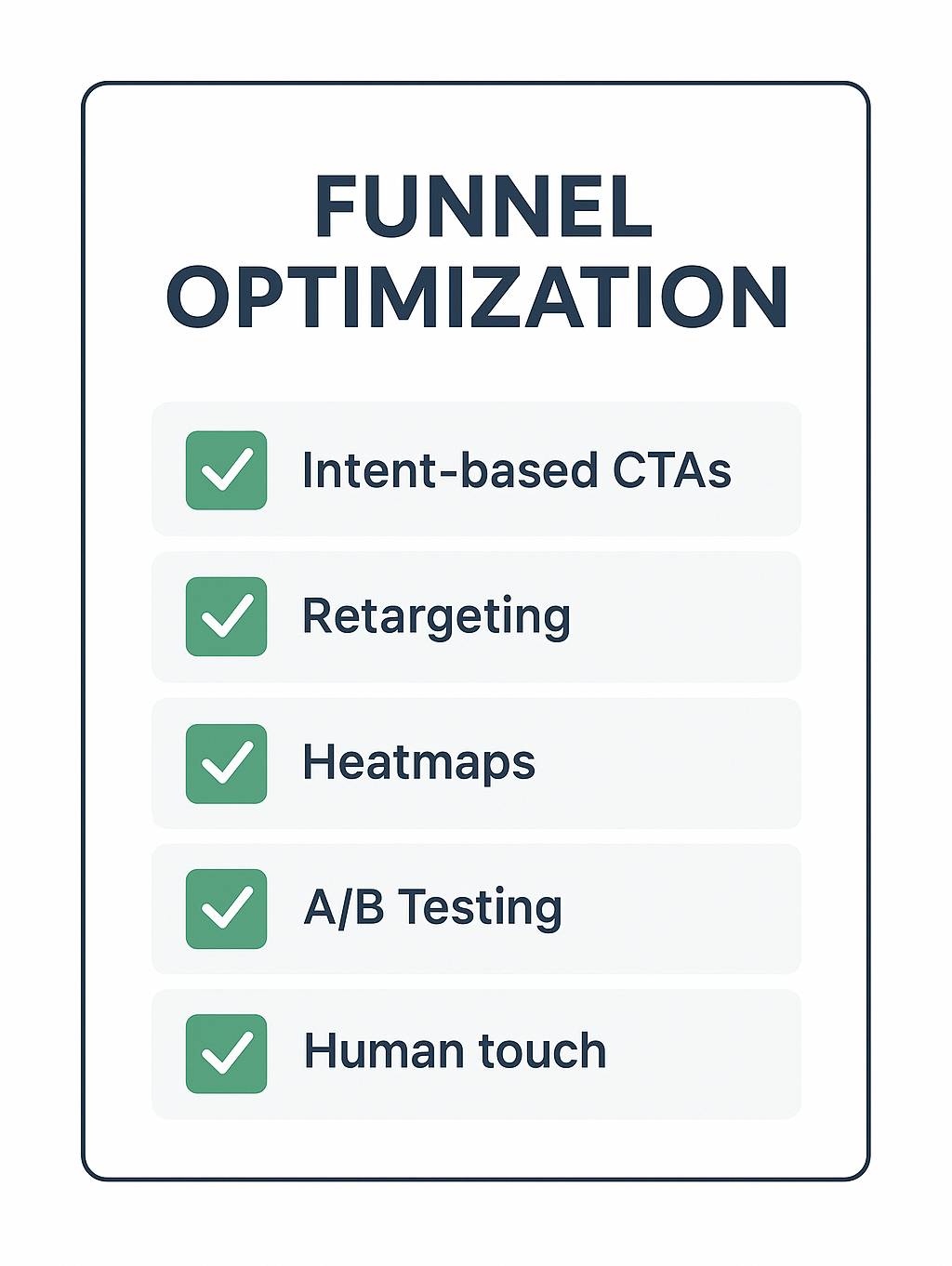
That’s why great funnels aren’t static they’re alive.
Here’s how to keep your funnel breathing and converting:
- Intent-based CTAs: Instead of “Learn More”, try “See How We Doubled Client X’s Leads”.
- Retarget with purpose: Don’t just show your homepage again. Serve them what they were browsing—like your pricing page or latest testimonial.
- Use heatmaps: See where people drop off. Is your CTA too far down? Is your headline skimmable?
- Test like crazy: From subject lines to call-to-action buttons—tiny tweaks often drive big changes.
- Make it human: Add faces. Add context. Add a joke. Remember, you're talking to people, not personas.
And hey, if you feel stuck optimizing your funnel, remember: Sometimes the best move is to bring in fresh eyes (Hi, that's us).
Also Read - Guide to AI in Digital Marketing - The Ultimate Guide and Actionable Tips
Final Thoughts
A strong sales funnel in digital marketing isn’t just a sequence of emails and pages—it’s a strategy rooted in empathy.
It says: “I see you. I understand your problem. Here’s how I can help.”
Whether you're just getting started or you’re trying to plug conversion leaks, building a smart online marketing funnel is one of the most powerful steps you can take for sustainable growth.
Need examples or want us to take a peek at your funnel?
Check out the blogs or head over to the contact page to chat with our team.
Let’s build a funnel that works as hard as you do.
FAQ About Digital Marketing Funnels
Q1. What exactly is a digital marketing funnel?
A digital marketing funnel is a step-by-step journey that turns strangers into loyal customers. It guides people from the moment they first discover your brand (awareness) to when they finally make a purchase (conversion) — and even beyond. Think of it as your customer relationship roadmap.
Q2. Why is a digital marketing funnel important for businesses?
Without a funnel, you’re leaving conversions to chance. A well-designed funnel helps you attract the right audience, nurture their interest, and build trust before asking for a sale. It’s the difference between cold selling and meaningful connection.
Q3. What are the main stages of a digital marketing funnel?
Most funnels include four key stages:
- Awareness (TOFU): Get your brand noticed through blogs, social media, or ads.
- Interest (MOFU): Engage users with valuable resources like webinars or guides.
- Consideration: Show social proof and explain why you’re the better choice.
- Conversion (BOFU): Make it easy for them to take action — buy, book, or subscribe.
Each stage needs tailored content and strategy.
Q4. What’s the difference between TOFU, MOFU, and BOFU?
These are marketing shorthand for different funnel stages:
- TOFU (Top of Funnel): Awareness — your first impression.
- MOFU (Middle of Funnel): Engagement — build trust and relationships.
- BOFU (Bottom of Funnel): Conversion — close the deal confidently.
Q5. How can I create a digital marketing funnel for my business?
Start by mapping your customer journey:
- Identify where your audience hangs out (Google, LinkedIn, Instagram, etc.).
- Create stage-specific content (blogs, videos, case studies).
- Set up lead capture tools (forms, landing pages, CTAs).
- Nurture leads with emails or retargeting campaigns.
- Track performance and optimize based on data.
Remember: Start small, test, and improve continuously.
Q6. What are some examples of content for each funnel stage?
Here’s a quick breakdown:
- Top of Funnel: SEO blogs, short videos, social media posts.
- Middle of Funnel: eBooks, email newsletters, webinars.
- Bottom of Funnel: Testimonials, pricing pages, demo calls.
Each type of content helps move your audience one step closer to conversion.
Q7. How do I know if my funnel is working?
Check your analytics! Look for improvements in:
- Click-through rates (CTR)
- Lead conversion rates
- Cost per acquisition (CPA)
- Landing page performance
If users drop off at a specific stage, it’s time for a funnel audit and optimization.
Q8. What are common mistakes to avoid when building a funnel?
Some frequent slip-ups include:
- Ignoring your audience’s real pain points.
- Having unclear CTAs or slow landing pages.
- Skipping follow-up communication.
- Treating your funnel as “set and forget.”
A good funnel evolves with your audience’s behavior.
Q9. How often should I optimize my marketing funnel?
At least once a quarter or anytime you notice performance dips. User behavior changes fast, and small tweaks (like a new CTA, image, or email subject line) can make a big difference.
Q10. Can small businesses or startups use digital marketing funnels?
Absolutely. Funnels aren’t just for big brands. Even a simple two-step funnel, a social media ad leading to a landing page — can drive powerful results when done right. The key is understanding your audience and delivering genuine value.
Q11. What tools can help me build and track my funnel?
Some popular options include:
- Email & Automation: HubSpot, Mailchimp, or ActiveCampaign
- Analytics & Heatmaps: Google Analytics, Hotjar, Crazy Egg
- Landing Pages: Unbounce, Leadpages, Webflow
- CRM: Pipedrive, Zoho, or HubSpot CRM
Pick tools that fit your budget and scale with your business.
Q12. How can DO Communication help with funnel optimization?
At DO Communication, we start with a Funnel Audit, mapping your customer’s entire journey from the first click to conversion. We pinpoint drop-off points, improve user flow, and create content that resonates with your audience at every stage.
If your funnel isn’t converting like it should, we’ll help you fix that.
