

In the digital ecosystem, just because a user has a chance to see your content, that does not mean they will click on it. The digital ecosystem in 2026 will have large volumes of advanced search engines and AI integrated services that will keep obfuscating the digital world, meaning marketers and companies will have to focus on optimizing CTR to remain relevant. optimizing CTR is what separates the digital world from the advertising world in its purest form; paying for impressions is less valuable than getting genuine engagement from users.
Table of Contents
- What Is Click Through Rate?
- Click Through Rate Formula
- How to Calculate Click Through Rate
- What Is a Good Click Through Rate?
- Improving CTR in 2026: 10 Highly Effective Tips
- SEO and CTR: Why It Will Matter More in 2026
- Things That Negatively Impact CTR
- Future Trends Influencing CTR
- Conclusion
- FAQs About CTR
Manipulating the search engine algorithms and/or optimizing email strategies will require a deep understanding of CTR. Mastering CTR will optimize the traffic on the digital content, improve conversion rates, and ultimately result in a positive ROI. This blog aims at providing constructive and beneficial techniques demonstrating effective utilization of positive user psychology. The blog will also describe techniques to reinvent engagement algorithms using AI as well as defeat competitors in the market.
What Is Click Through Rate (CTR)?
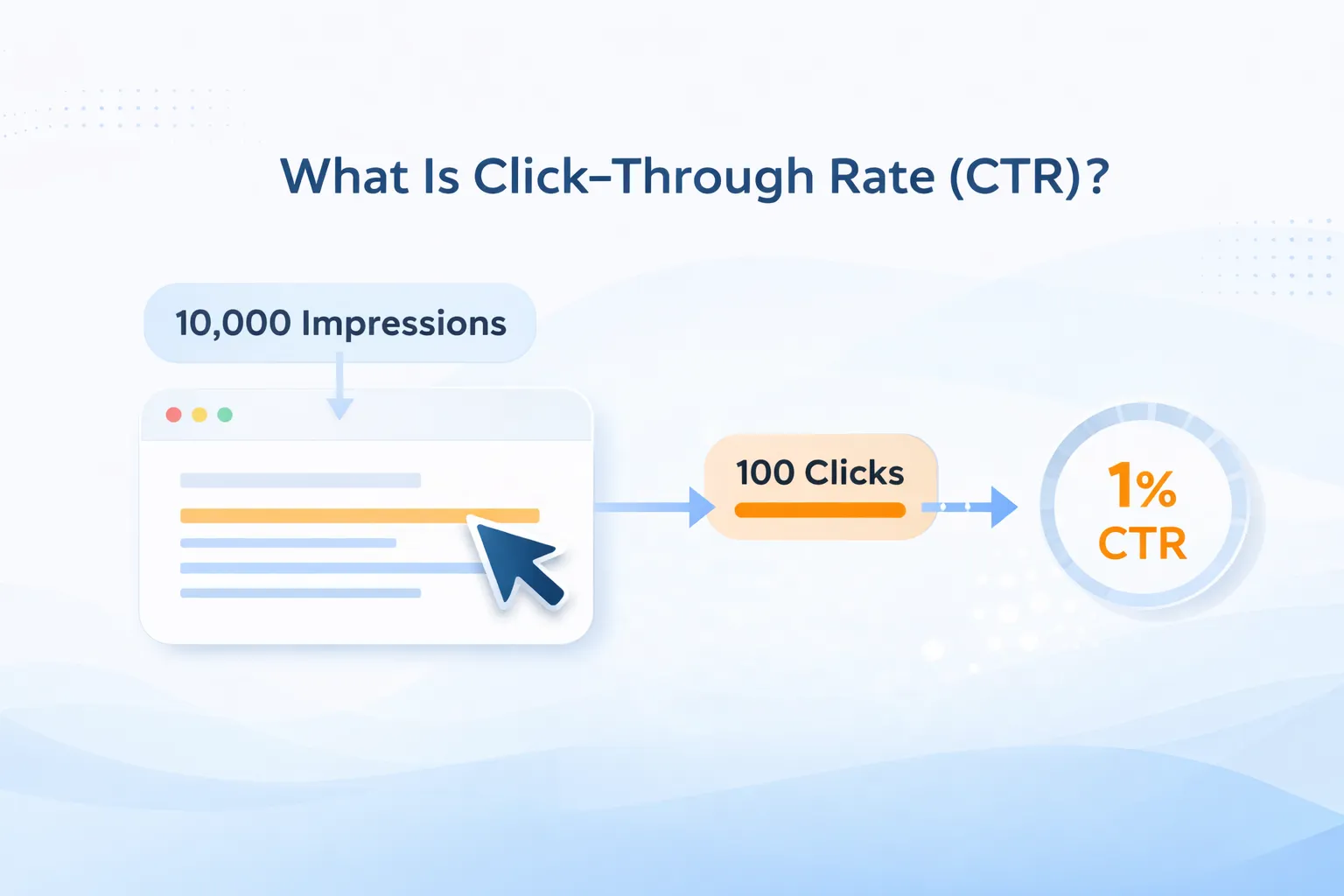
What is click through rate is the proportion of people that click on a link, advertisement, or search result after viewing it. It indicates how attractive your content is to your audience.
Click Through Rate Formula
The click through rate formula is as follows:
CTR (%) = (Clicks ÷ Impressions) × 100
How to Calculate Click Through Rate
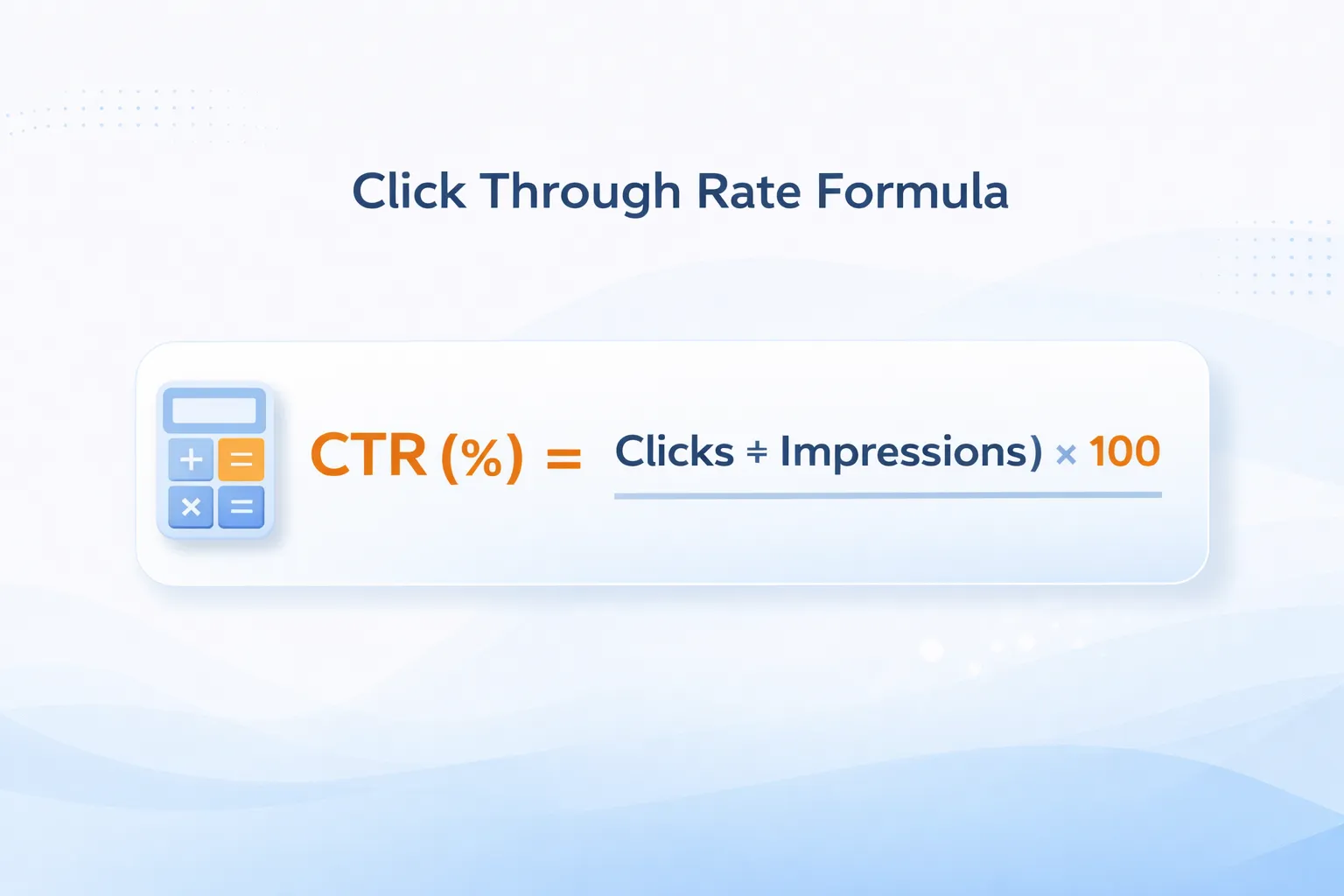
To learn how to calculate click through rate, subtract the number of clicks from the total impressions and multiply by 100. Suppose an advertisement generates 200 clicks after displaying 10,000 times. In that case, the CTR is 2%. A lot of marketers prefer to calculate the CTR using a click through rate calculator as it is a faster way of measuring performance and analyzing the competition.
What Is a Good Click Through Rate?
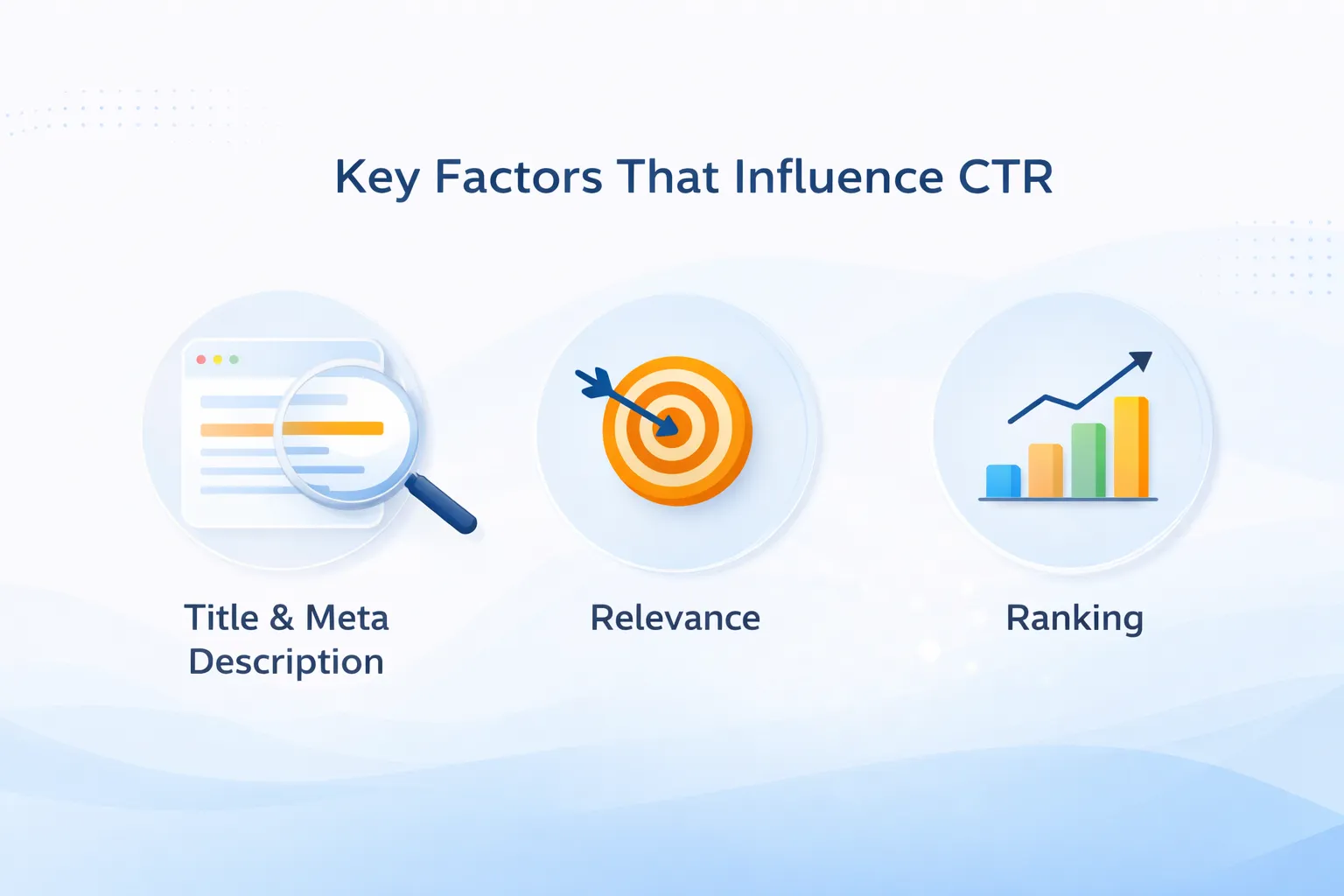
What is a good click through rate is determined by the platform and the industry that is being analyzed.
- SEO (organic search): 2%–10%
- Google Ads: 3%–7%
- Email marketing 2%–5%
- Ads on social media 0.5%–2%
A good CTR portrays strong relevance, clarity, and persuasive messaging.
Improving CTR in 2026: 10 Highly Effective Tips
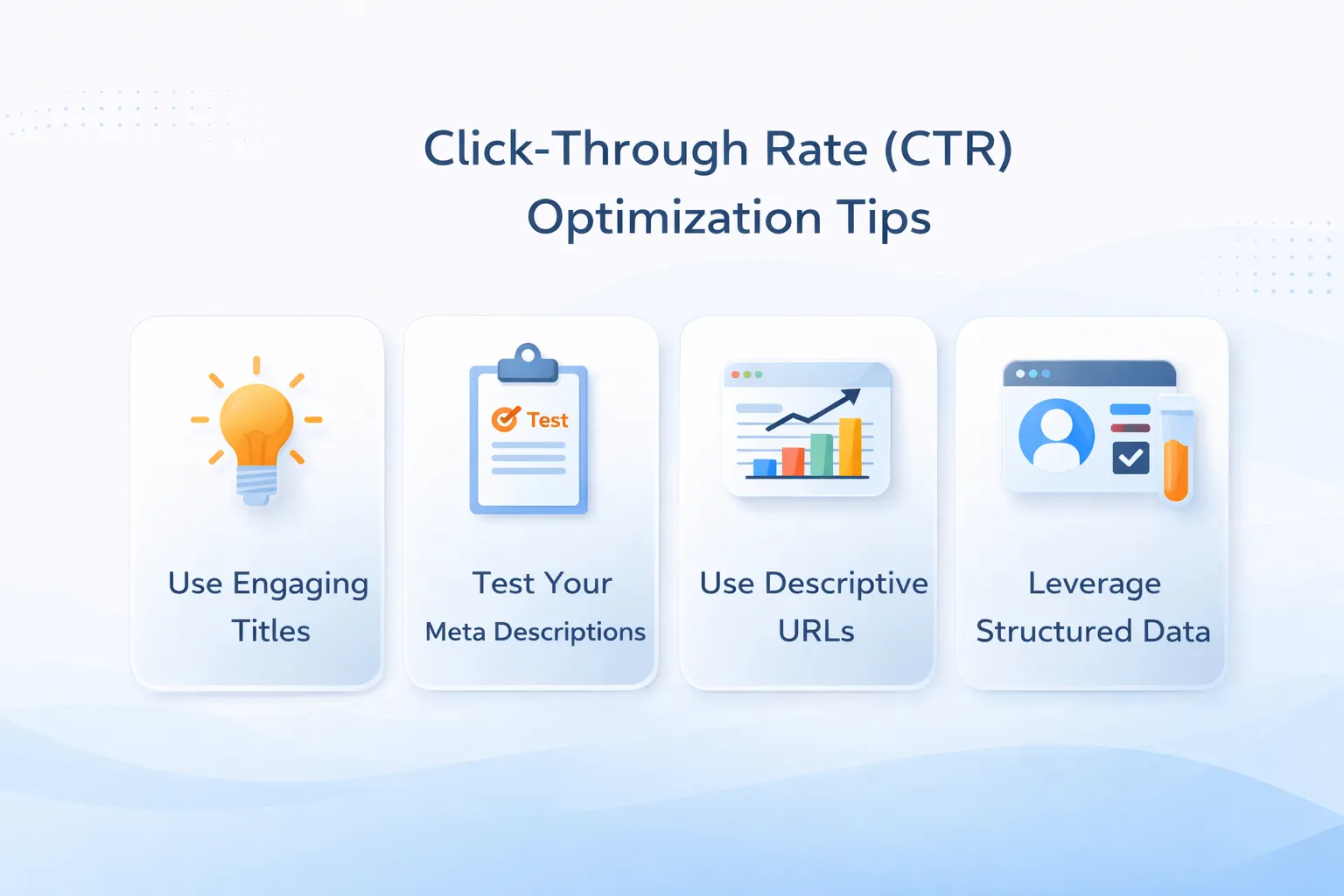
1. Write Headlines That Prompt Emotion
Headlines are what users observe first. Use curiosity, urgency, or benefits in the headlines so that it cannot be resisted.
Example:
“SEO Tips”
“10 Strategies That 2026 SEO Will Use To Triple Your Hits”
The use of power words, numbers, and clear content increases engagement.
2. Meta Titles and Descriptions Should Theoretically Be Optimised
Meta titles and descriptions in the search results affect CTR in SEO. Write clear descriptions that explain the benefit and answer searcher’s questions.
Examples:
- Use the main keyword where possible
- State the benefits that come with the product or service
- Use action words
An elaborate meta description can be very useful in increasing the number of clicks that you get from searches.
3. Make Sure the Content Overall is in Accordance with the Search Intent
Users tend to click links that will get directly to what they are looking for. Try to evaluate if the search is looking for an answer, a product to buy, or a website.
When your content meets the intent:
- Reduced Bounce Rates
- Improved CTR
- Increased User Satisfaction
The search engine algorithm will reward you with a higher search visibility for your content.
4. Get Creative with Rich Snippet and Structured Data
When search engines receive schema markup, they show value-based results and others like ratings, FAQs, and pricing. Visually appealing search results enhance the possibility of receiving clicks.
- Increased visibility.
- Higher trust.
- Better differentiation from competitors.
Standard listings in search results are outperformed by rich snippets.
5. Utilize Titles that Include Numbers and Statistics
Numbers convey credibility and prove content is actionable.
Examples: "7 Proven Techniques to Boost Traffic"
"2026 Guide to Digital Marketing Success"
Engagement rates are driven by titles that incorporate statistics.
6. Improve the Readability of URL Structure
Trust and clarity are built by clear and descriptive URLs.
- example.com/page?id=123
- example.com/improve-click-through-rate
The relevance and transparency of a URL are signalled by a readable URL.
7. Improve Visual Appeal in Ads and Social Media
Visually rich social media posts are processed more quickly and are more engaging than piece text.
Strategies:
- Use high-quality images
- Add contrasting colors
- Visually emphasize important points
Increased engagement and recall are the result of more stimulating advertisements.
8. Adapt Content to Target Audience Segments
Audience segmentation improves the relevance of content and is a dominant principle in personalization.
- Examples: Location-based offers
- Industry-specific insights
- Email subject lines
When users see content that speaks directly to them, they are more likely to click.
9. A/B Testing for Descriptions and Headlines
Finding out what works best for your audience relies on A/B testing.
Test:
- Headlines
- Calls to Action
- Emotional triggers
- Length of Content
Optimizing different components will help improve Click Through Rates (CTR) over time.
10. Establish Trust Using Social Proof and Authority
Providing accurate, reliable, expert sources improves clickability. Users appreciate it.
Examples:
- Display reviews
- Show professional credentials
- Cite professional expert opinions
These trust signals help lessen the risk of making a decision and improve the likelihood of making a decision.
SEO and CTR: Why It Will Matter More in 2026
With AI-driven search engines, user behavior signals are increasingly important. CTR in SEO acts as a key indicator of relevance and quality.
Having a high CTR can generate
- Better Positioning
- More Organic Visitors
- Increased User Interactions
When users click on something multiple times, it tells the search engine that the content matches what the user is looking for.
Things That Negatively Impact CTR
These are things to stay away from:
- Clickbait
- Spammy content
- Vague descriptions
- Not mobile friendly
- Websites that load slowly
These things cause a disengagement from users and a lack of trust.
Future Trends Influencing CTR
By 2026, trends that impact CTR optimization include:
- AI-enhanced search results
- Searches conducted via voice
- Platforms that offer visual searches
- Content that is hyper-personalized
- The zero-click search phenomenon
To ensure that performance is maintained, adapting to these trends is imperative.
Also Read - From Impressions to Conversions: Making Your Digital Ads Work Harder
Conclusion
To survive in 2026, digital CTR improvement is imperative. Knowing what is click through rate and incorporating optimization techniques to change impressions to engagements is crucial. A myriad of factors can impact CTR, including the title, the presence of structured data, and other personalization features.
Employing analytics to train the business on how to calculate click through rate and giving the company insight on what is a good click through rate can help the company provide better services and stay competitive. To improve CTR, the business needs to improve its analytics, SEO, and design. CTR is crucial for traffic and brand authority, especially in today's digital world. Once fully integrated, CTR becomes a utility for the company, providing the ability to narrow in on traffic and ultimately improve sustainability and profitability.
FAQs About CTR
Q1. How does AI-driven search impact click-through rate?
Ans. AI-driven search changes how results are displayed by prioritizing direct answers and personalized content. This can reduce traditional clicks but increase the importance of highly relevant titles and snippets. Optimizing content for intent, clarity, and structured data helps maintain strong CTR despite evolving search formats.
Q2. Can CTR affect website conversions and revenue?
Ans. Yes, a higher CTR often leads to increased website traffic, which can improve conversions and revenue. However, CTR alone is not enough, content quality and user experience must align with expectations. When clicks lead to meaningful engagement, businesses achieve better ROI and sustainable growth.
Q3. Why do some pages with high rankings still have low CTR?
Ans. Pages may rank well but receive fewer clicks due to weak headlines, unappealing meta descriptions, or stronger competitors with richer snippets. User intent mismatch and lack of trust signals can also reduce engagement. Optimizing presentation and relevance is crucial to improving CTR even on high-ranking pages.
Q4. How often should CTR optimization strategies be updated?
Ans. CTR optimization should be reviewed regularly, ideally every 3–6 months or after major algorithm updates. Changes in user behavior, industry trends, and competitors can impact performance. Continuous testing and refinement ensure content remains attractive and competitive in evolving digital environments.
Q5. Is CTR more important for SEO or paid advertising?
Ans. CTR is important for both SEO and paid advertising, but its impact differs. In SEO, it reflects relevance and user interest, while in paid ads, it directly affects quality score and cost efficiency. A balanced focus on organic and paid CTR helps maximize visibility and performance across digital channels.
